Field notes from the edge of understanding.
Long-form stories on the questions, instruments, and missions that make the cosmos a little less distant.
All Articles
 Physics
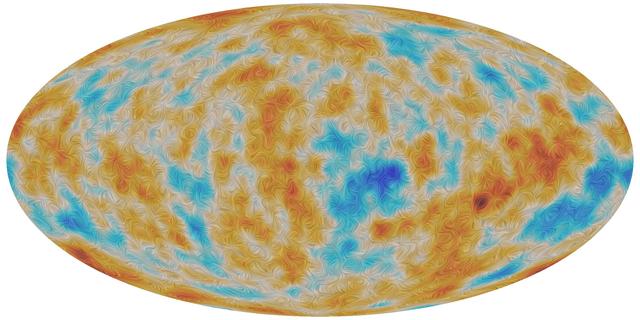
The Big Bang Theory: The Origins of Everything
How did the universe begin? Follow the evidence from expansion to the CMB.
 Physics
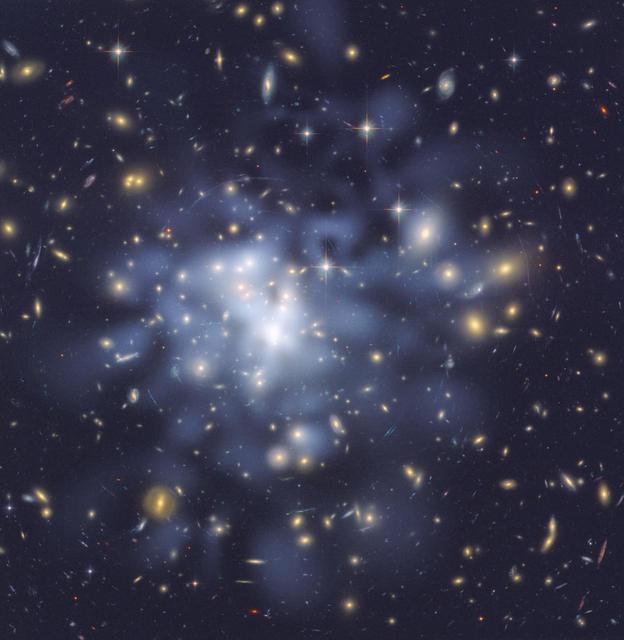
Dark Matter and Dark Energy: The Invisible Universe
The unknown forces shaping nearly all of the cosmos.
 Astronomy
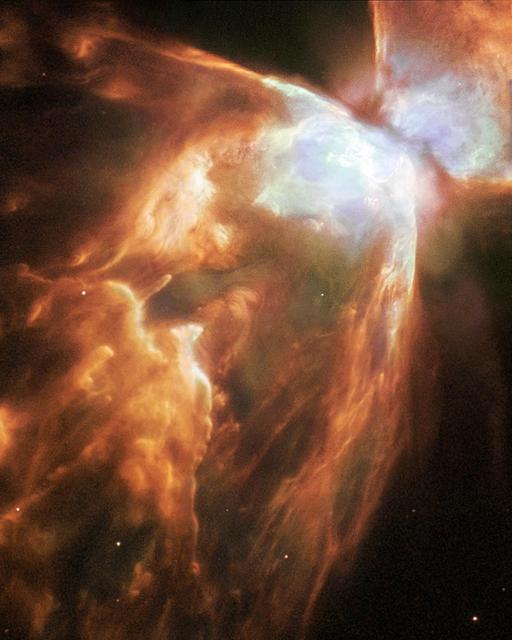
The Lifecycle of Stars: From Nebula to Supernova
Trace a star's life from a cloud of gas to its final remnant.
 Exploration
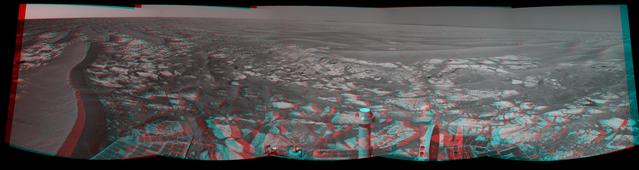
The Mars Exploration Program: Searching for Past Life
The robotic search for Mars's ancient, more habitable past.
 Exploration
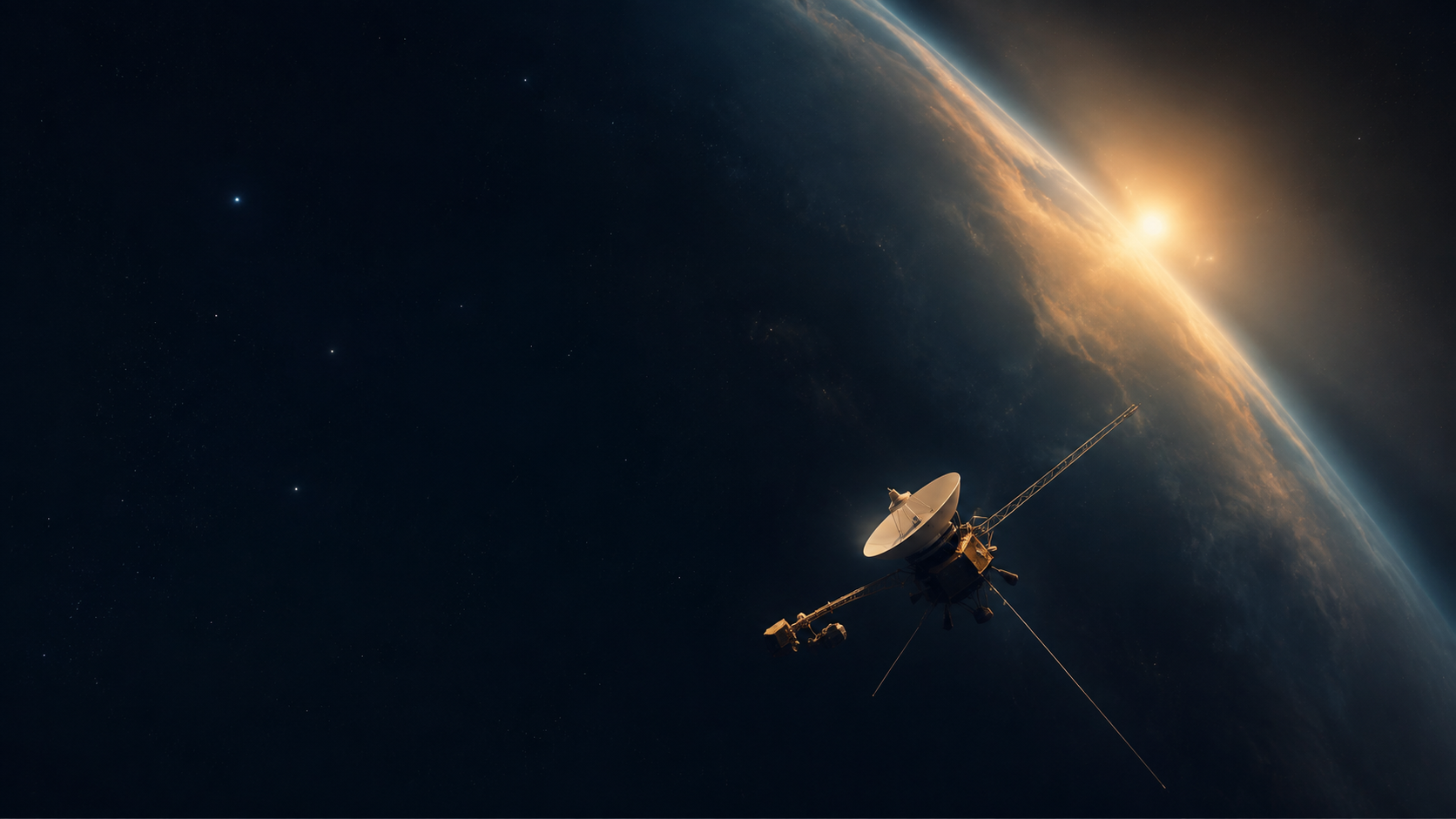
The Voyager Mission: Humanity's Farthest Reach
The twin probes that carried humanity beyond the heliosphere.
 Physics
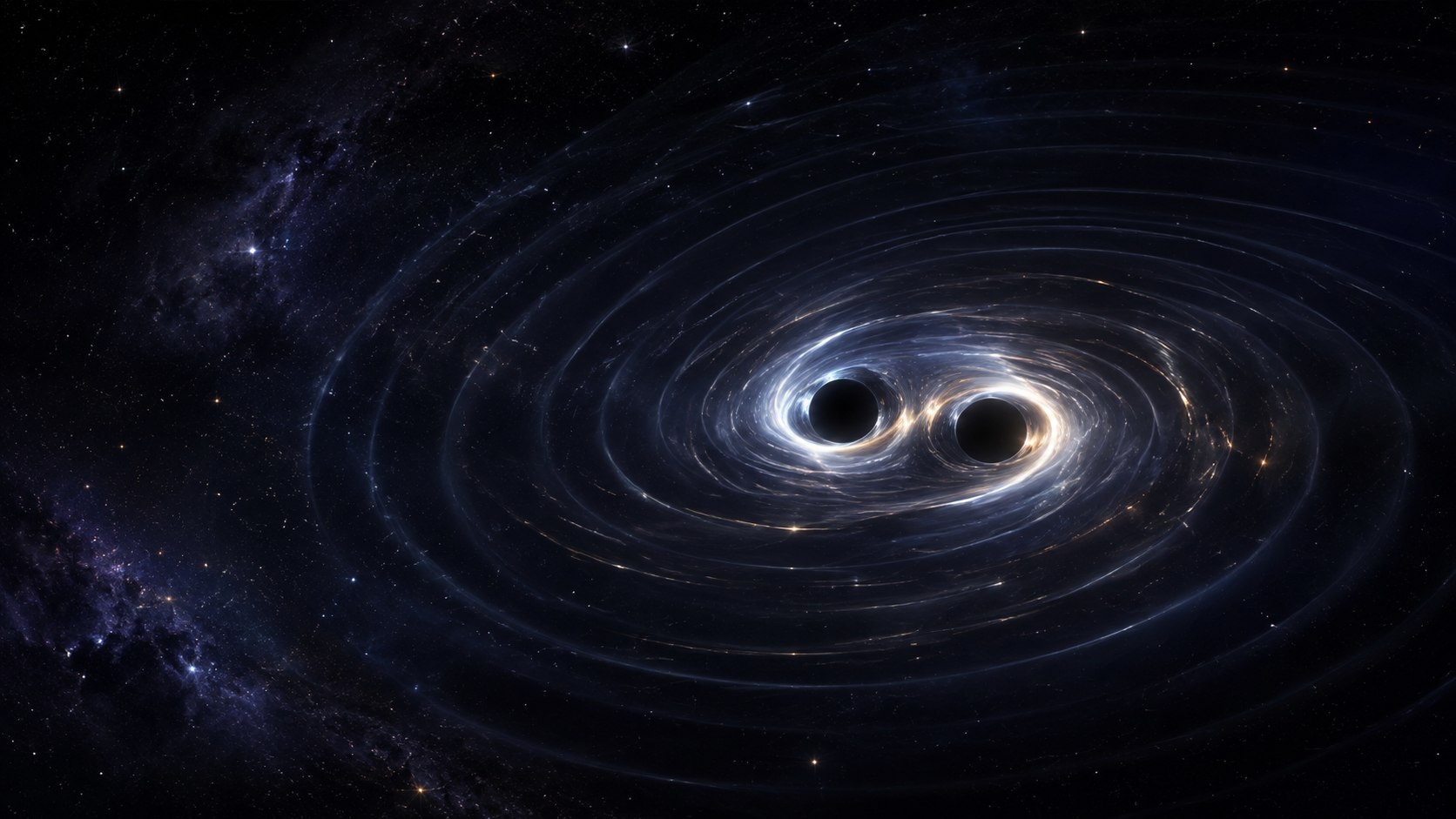
Gravitational Waves: Ripples in the Fabric of Spacetime
How we learned to listen to the universe's most violent events.
 Future
The Future of Space Colonization: Moon, Mars, and Beyond
What it would take to make a life away from Earth endure.
 Technology
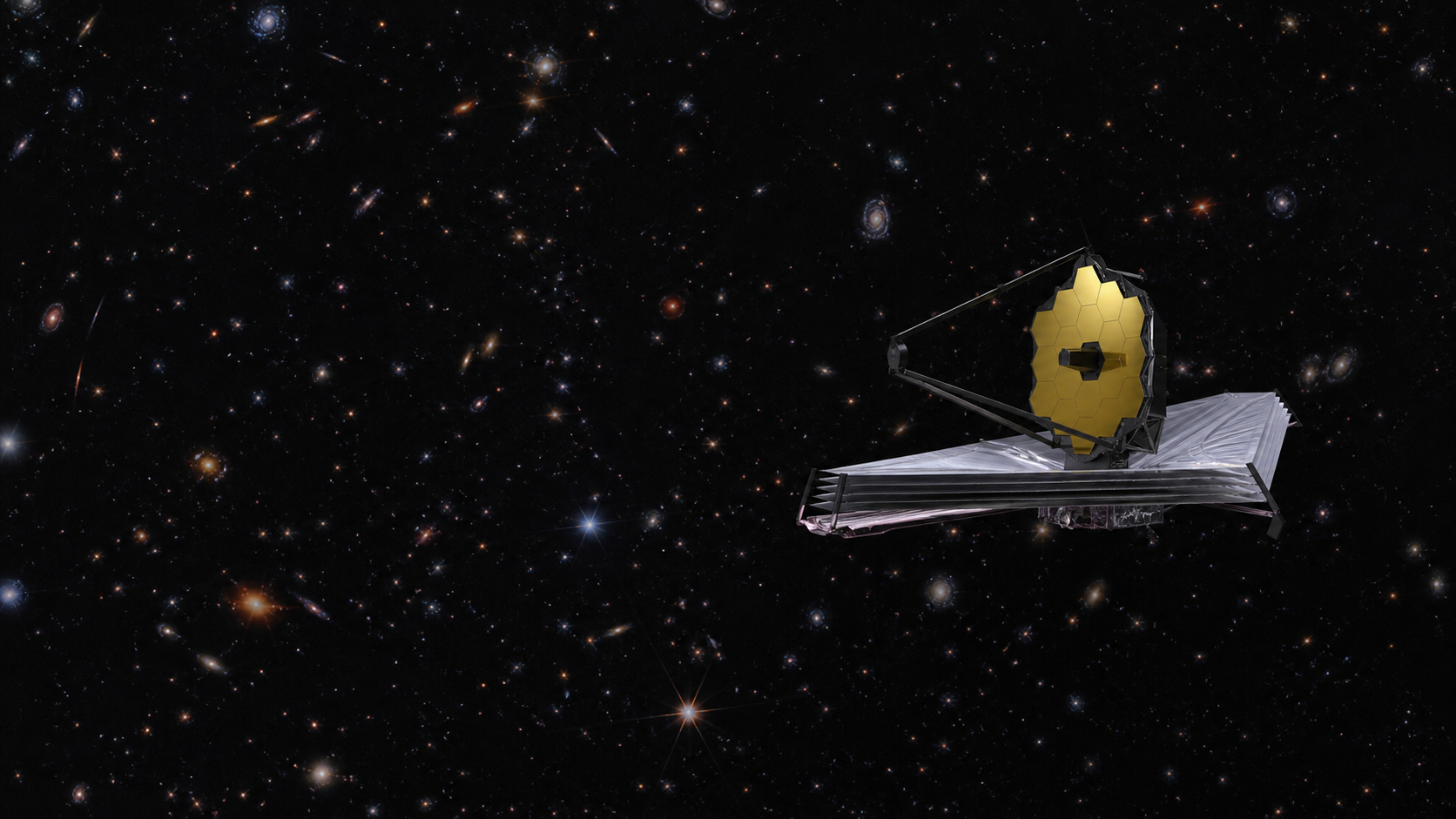
The James Webb Space Telescope: A New Eye on the Cosmos
Why infrared sight changes what the earliest universe can reveal.
 Physics
Understanding the Event Horizon: The Science of Black Holes
A guide to nature's sharpest boundary: the point of no return.
 Exploration
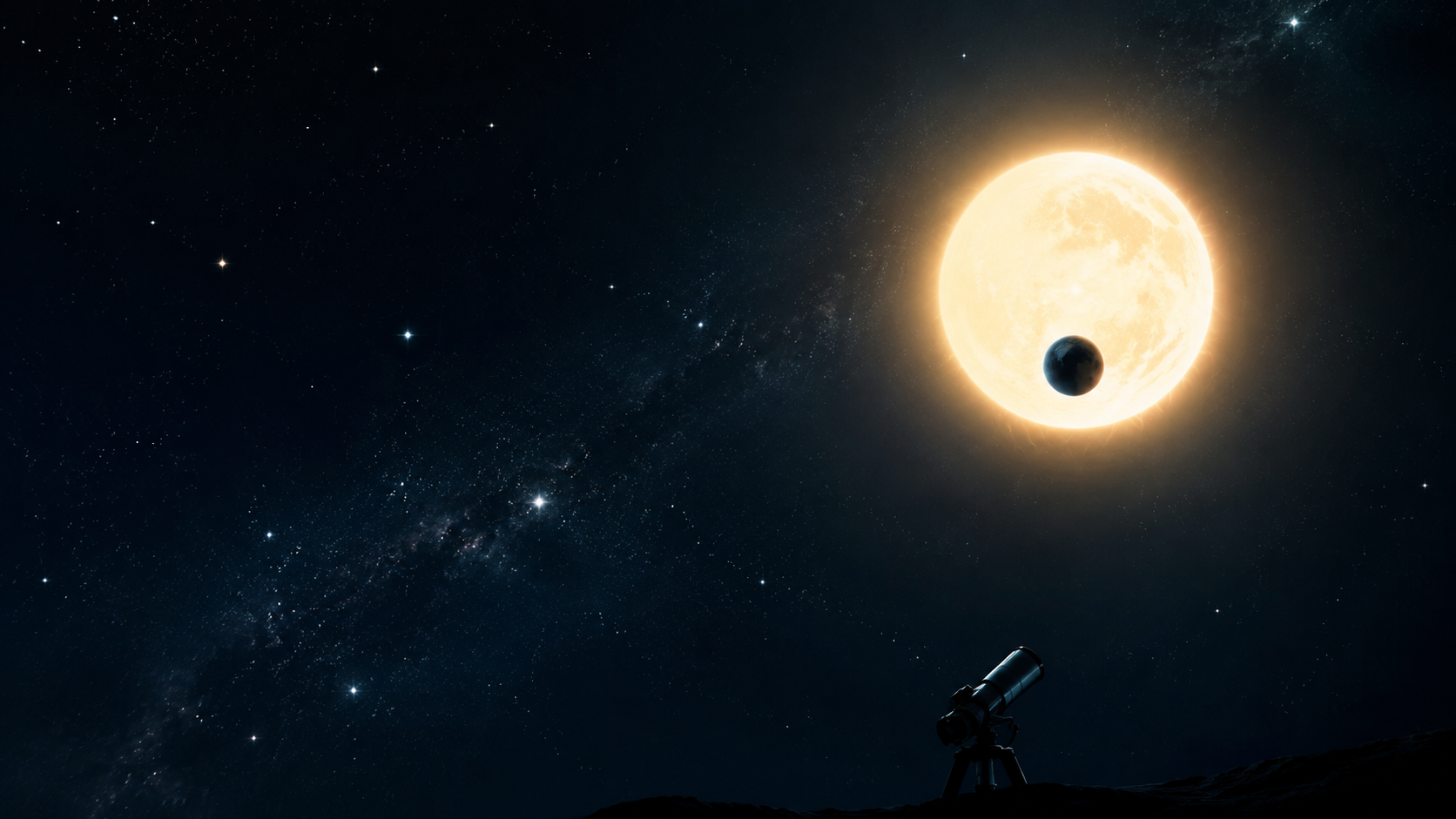
The Search for Exoplanets: How We Find Other Earths
The elegant measurements that reveal worlds we cannot see directly.
Learn the Universe, One Article at a Time
At CosmoToolbox, every article turns complex space science into a clear, engaging story. Start with the birth of everything in The Big Bang Theory, meet the invisible 95% of the cosmos in Dark Matter and Dark Energy, and explore the strangest objects in nature with the science of black holes.
Reading is only the beginning — each guide pairs naturally with our free astronomy tools. After following the search for exoplanets, model alien orbits with the Kepler's Third Law calculator; after gravitational waves, measure cosmic expansion with the redshift calculator. Bookmark this page and check back often as new insights are added.